
Using natural systems
What is regenerative agriculture?
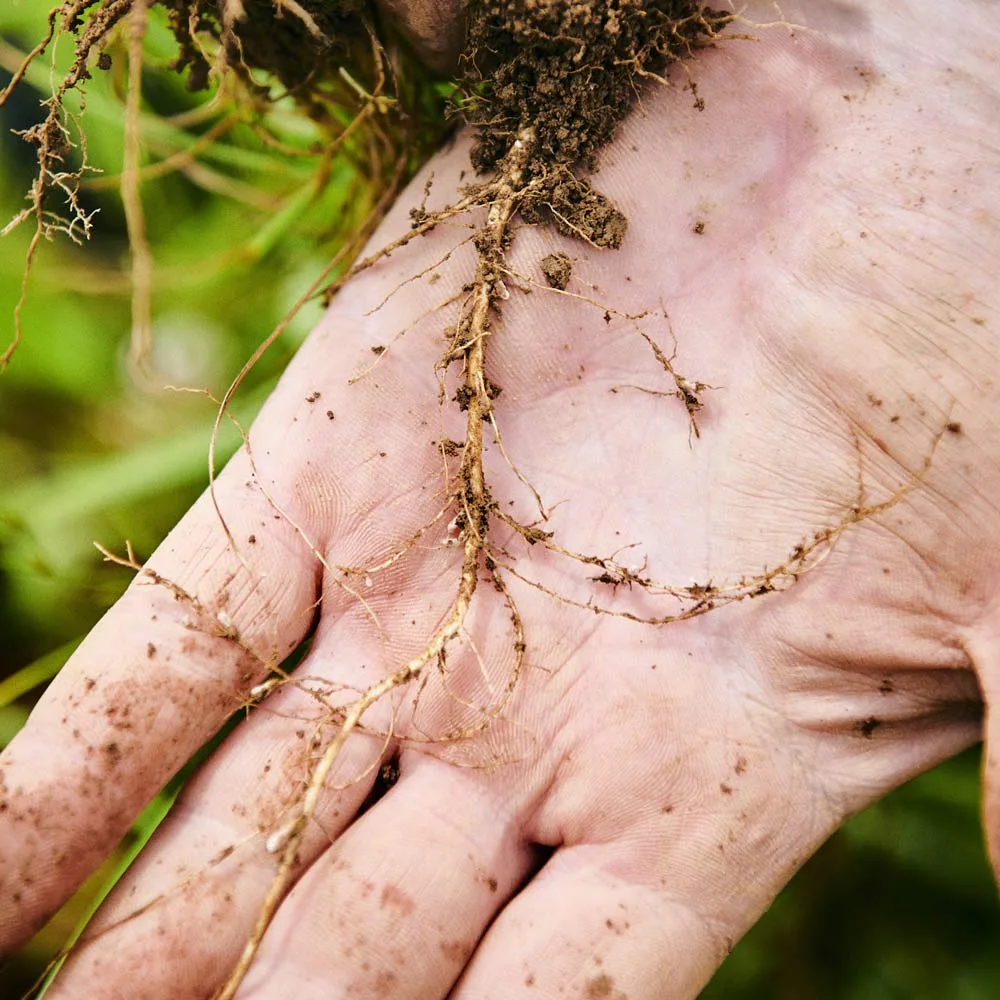
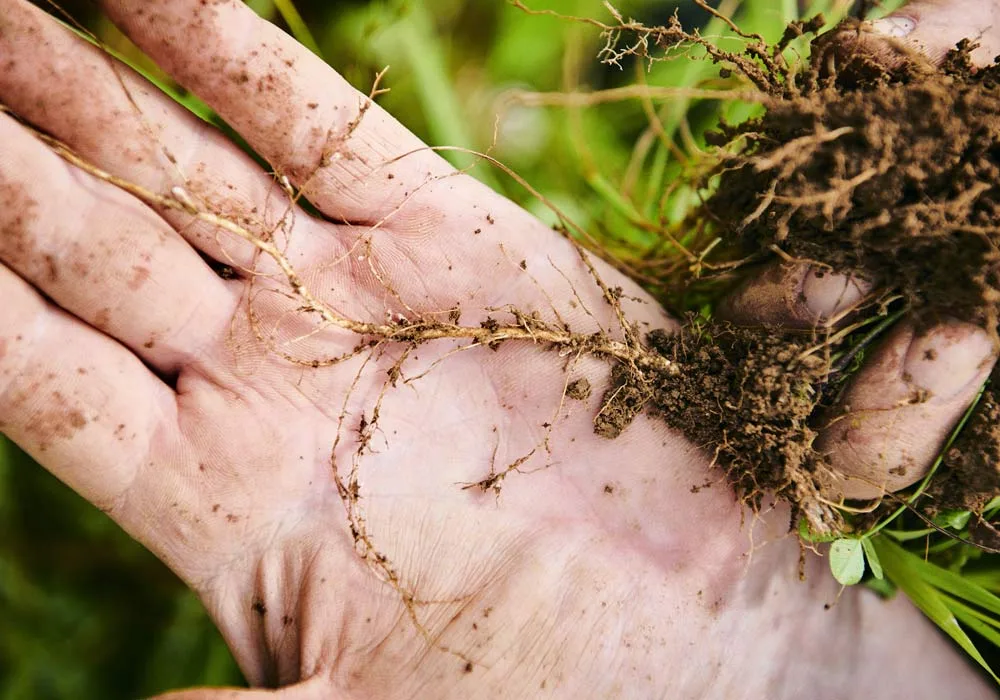
Put simply, regenerative agriculture is a method of farming that uses natural systems to build soil and soil health, restore water cycles, and encourage biodiversity.
Regenerative agriculture promotes systems that capture atmospheric carbon dioxide, storing it in the soil in a more stable form (otherwise known as carbon sequestration). But perhaps the most important thing to understand about regenerative agriculture is that it is an ongoing journey – not a destination.
Regenerative agriculture is an ongoing process rather than an endpoint. Different farms will start in different places. Understanding your own starting point and monitoring the impact of any changes in practices over time is an essential element of regenerative management. Changing what you do is one thing: demonstrating positive outcomes is quite another.

Founder, Terrafarmer
Our services
How we can help you
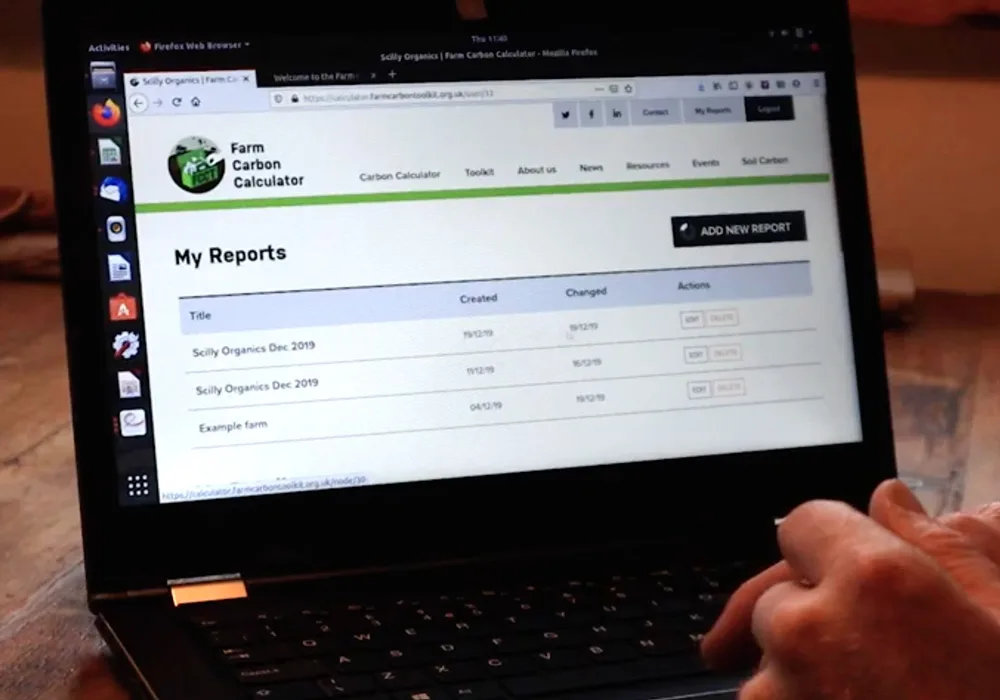
Farm carbon assessment
Assessing the carbon footprint of your farm provides a baseline assessment of greenhouse gas (GHG) emissions and sequestration, and can be repeated each year to demonstrate the result of management changes. We work with the Farm Carbon Toolkit to calculate total farm emissions and emissions per tonne of product.
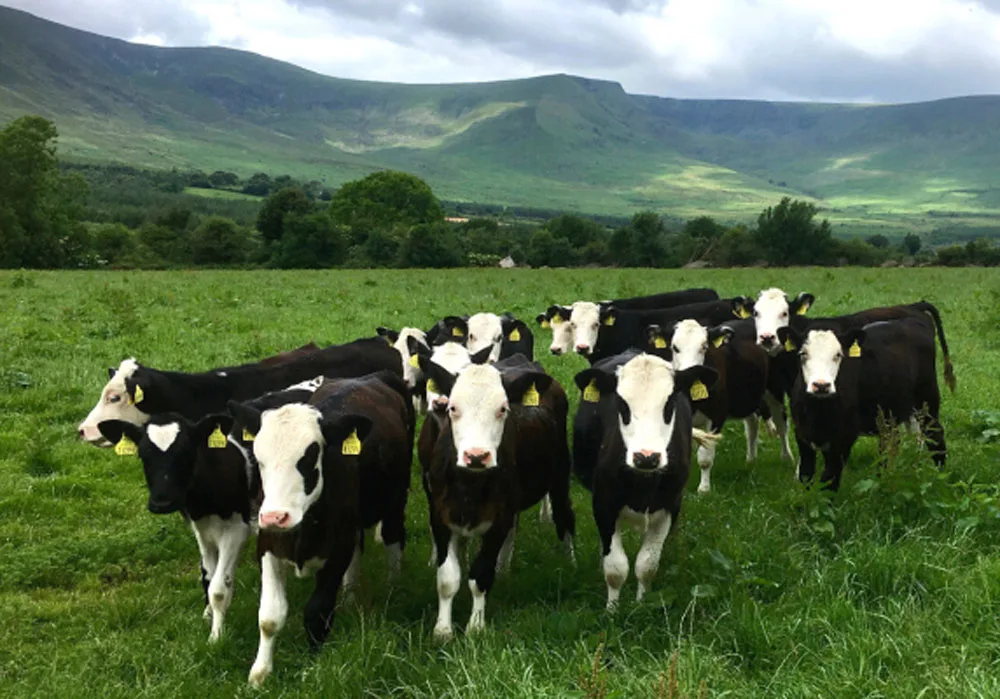
Integrating livestock
Whether you already focus on livestock production or you want to introduce animals to your farm, we can provide advice and assistance. As well as our nutrition service, we can help with breed choice, grazing management, housing, and other important management.

Herbal leys
Interest in diverse herbal leys has increased dramatically in recent years in light of their benefits for soil health, reducing inputs, and improved tolerance to drought. We can help you to make the most of modern herbal leys, selecting the right mix for your farm and your objectives.
