
Biological inputs, such as microbial inoculants and biostimulants, provide a practical way to enhance SOM and soil moisture retention, says Dr. Joshua Afzal
UK agriculture is facing increasing challenges from climate change. The droughts of 2022 and again in 2025, with dry conditions during spring and early summer in many areas, show that extreme weather events are becoming more frequent.
Research has shown that certain biological inputs can increase soil water content by up to 600% compared to untreated soils.
These repeated dry cycles don’t just reduce crop yields or disrupt cropping plans. They can also deplete soil organic matter (SOM), which is essential for retaining soil moisture and maintaining healthy soils. Without enough SOM, soils lose their ability to hold water, leaving crops more vulnerable to drought stress (and more prone to flooding and run-off). Maintaining and increasing SOM also offers potential financial benefits, for example, through carbon credits and other schemes.

Soil profile of pasture
What is SOM?
So, what is soil organic matter, and why does it matter? SOM is the organic component of soil, made up of decomposed plant and animal material. It improves soil structure, increases water retention, and supplies nutrients to crops. Healthy SOM levels help soils cope with drought by holding more moisture and supporting beneficial microbes that form partnerships with plants, improving nutrient uptake and resilience.
Biological inputs, such as microbial inoculants and biostimulants, provide a practical way to enhance SOM and soil moisture retention. Research published in the Geoderma journal has shown that certain biological inputs can increase soil water content by 100-600% compared to untreated soils. They also significantly boost microbial biomass, helping to strengthen the relationships between microbes and plants that improve drought tolerance.
Helping you build soil resilience
Building soil resilience from the ground up has never been more important. We encourage farmers to explore biological solutions and regenerative management practices that support healthy soil ecosystems and improve water retention.
At Terrafarmer, our agronomists can offer practical advice on tried and tested biological inputs that can enhance SOM and benefit your soil health and productivity. We will work with you to select the most effective biological products for your farming system and advise on regenerative farming practices. Using precision soil scanning and sampling, we can track improvements in SOM and soil health generally, with all testing carried out in trusted UK laboratories.
As well as biological inputs, our services include soil carbon baselining and bespoke regenerative agriculture plans, all designed to build resilient soils and maintain yields under challenging conditions.
For personalised advice and expert support to implement these solutions on your farm, contact Terrafarmer. We’re here to help you grow stronger, more resilient soils in a changing climate.
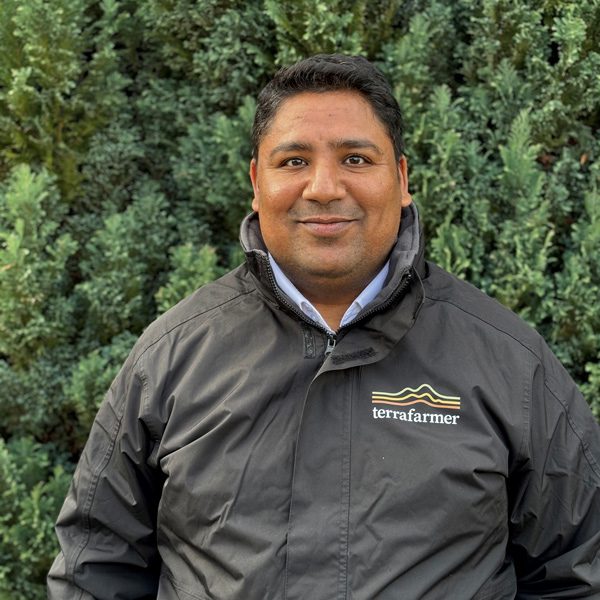
About the author
Joshua is a committed crop scientist who is deeply passionate about regenerative agriculture. He holds a Ph.D. in Crop Sciences and M.Sc.(Hons) in Plant Pathology. He has extensive experience in both research and project management in the UK, Europe, Middle East, Asia and Africa.


